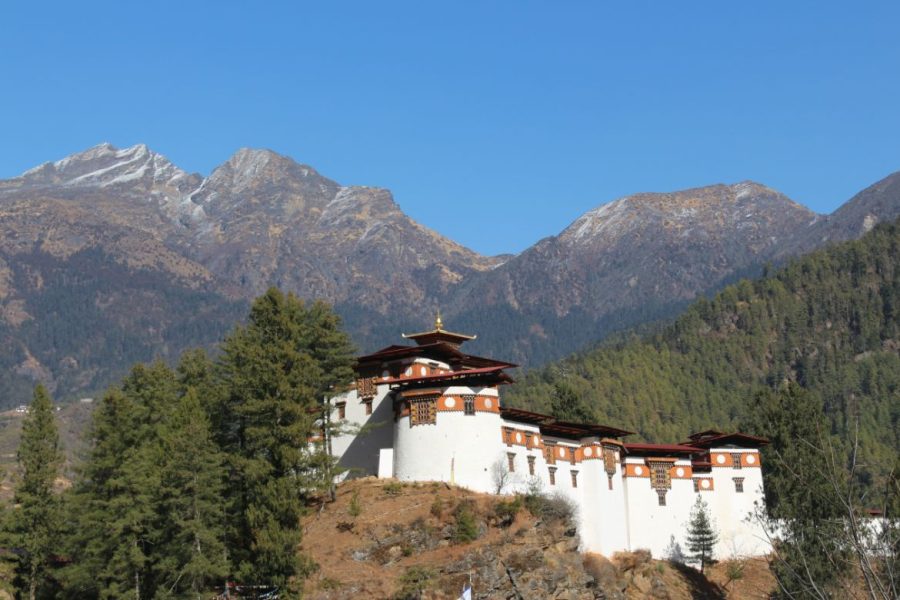
Punakha Valley, nestled in the heart of Bhutan, is a radiant testament to the kingdom’s cultural richness and natural beauty. Serving as the winter capital, this fertile expanse, embraced by lush hills, holds profound cultural significance as the site where Bhutan’s first King, Zhabdrung Ngawang Namgyal, established Punakha Dzong in the 17th century. Beyond being an administrative and spiritual centre, the dzong stands as an architectural marvel.
The people of Punakha Valley, primarily engaged in agriculture, embody warmth and hospitality. Rooted in traditional Bhutanese customs, the locals celebrate festivals with zest, fostering a deep sense of community and harmony with nature.
The valley’s landscape is adorned with lush vegetation, with rice paddies creating a picturesque scene. Punakha’s climate, milder compared to other parts of Bhutan, provides a pleasant escape. Spring and autumn, in particular, unveil the valley’s beauty, making it an idyllic destination during these seasons.
Punakha Valley invites exploration of its cultural treasures, including the iconic Punakha Dzong at the confluence of the Pho Chu and Mo Chu rivers. Other gems include Talo Goenpa, the seat of Zhabdrung, and the intricately designed Khamsum Chorten. A leisurely stroll through Punakha’s lively market offers insights into the daily lives of its residents. Punakha Valley, with its fertile lands, cultural heritage, and welcoming locals, beckons travellers to immerse themselves in the heart of Bhutan’s natural and cultural splendours.
Punakha Valley stands as a captivating travel destination, its allure woven from the threads of natural beauty, cultural richness, and vibrant traditions.
Punakha Dzong
At the heart of the valley lies Punakha Dzong, an architectural masterpiece dating back to the 17th century. Positioned at the confluence of the Pho Chu and Mo Chu rivers, this fortress is not just a historical monument but a living testament to Bhutan’s cultural and spiritual heritage.
Local Life and Agriculture
The people of Punakha Valley, primarily engaged in agriculture, add a warm and authentic touch to the visitor’s experience. Their daily lives, deeply rooted in tradition, offer an immersive encounter with Bhutanese culture.
Talo Goenpa and Khamsum Chorten
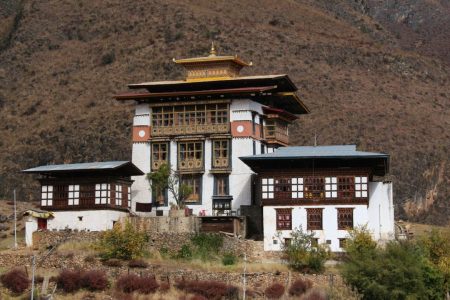
Exploring further, Talo Goenpa emerges as a cultural gem, serving as the seat of Zhabdrung. The intricate architecture and spiritual significance make it a unique site to visit. Additionally, the Khamsum Chorten, with its detailed craftsmanship, provides insights into Bhutan’s rich heritage.
Rafting on Mo Chu River
For those seeking adventure, Punakha offers an exhilarating rafting experience on the Mo Chu River. The pristine waters surrounded by lush greenery create the perfect setting for an adrenaline-pumping adventure.
Exploring the Local Market
A stroll through Punakha’s vibrant market completes the cultural journey. The market is a lively reflection of daily life, where locals showcase their crafts, fresh produce, and a spectrum of Bhutanese goods.
Chimi Lhakhang
Chimi Lhakhang, affectionately known as the Fertility Temple, is a charming sanctuary in Punakha Valley dedicated to Drukpa Kunley, the Divine Madman. Positioned atop a gentle hill, the temple welcomes visitors with a picturesque walk through local fields. Its distinctiveness lies in its association with fertility, attracting couples seeking blessings for conception. Pilgrims receive phallus-shaped amulets, symbolizing good fortune. The temple’s vibrant ambiance, adorned with colourful murals depicting Drukpa Kunley’s life, creates a unique blend of spirituality and artistic expression. Chimi Lhakhang offers a captivating insight into Bhutanese cultural beliefs, making it a must-visit destination for those intrigued by the country’s rich heritage.
Punakha Valley, with its harmonious blend of cultural treasures, warm community, and thrilling outdoor activities, beckons travellers to unravel the multifaceted beauty of Bhutan’s heartland.