from 0 review
12 days
Daily Tour
Unlimited
___
The Laya-Gasa Trek stands out as one of Bhutan’s most picturesque treks, unfolding over fourteen days and covering a distance of 217 km. Commencing from Drukgyel in Paro, this trek promises a journey through pristine landscapes, encompassing alpine meadows, elevated mountain passes, and dense sub-tropical jungles, culminating in Damji in Tashithang.
During the initial five days, the trail mirrors the renowned Jomolhari Trek I, traversing Jigme Singye National Park and treating trekkers to breathtaking vistas of Mt. Jomolhari, Jichu Drake, and Tsherimgang. On the sixth day, the route diverges, leading from Lingshi to the enchanting campsite at Chebisa, adorned with a mesmerizing waterfall of crystal-clear water.
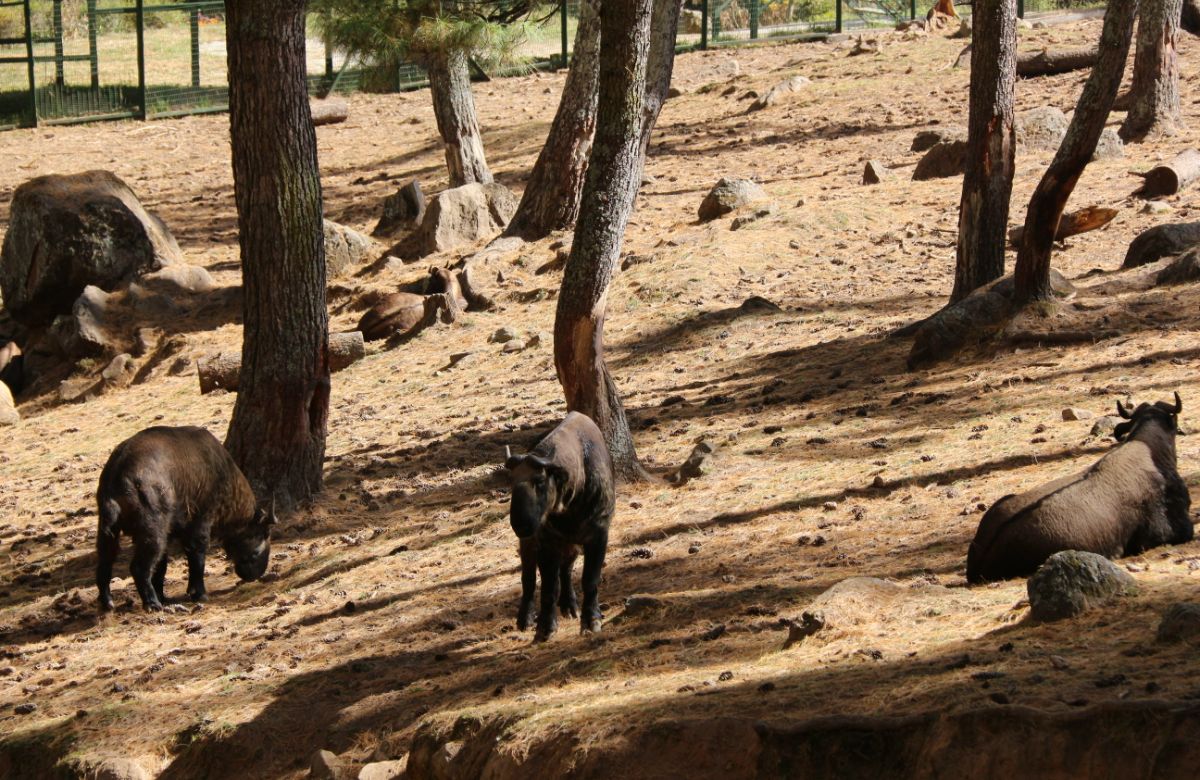
The trek offers encounters with indigenous wildlife, including blue sheep and Takins—the national animal of Bhutan. Remote mountain villages, inhabited by Layaps, a distinctive segment of Bhutanese society characterized by unique culture, traditions, and appearance, punctuate the journey. A noteworthy interlude in the trek involves a day of repose at the renowned Gasa hot springs, ensuring a revitalizing experience for trekkers.
The best periods for this demanding adventure are from April to June and mid-September to mid-November when weather conditions are more favorable. These times provide a window for trekkers to conquer the physical and mental challenges of the journey while enjoying the stunning landscapes that define this unique trekking experience.
Commencing at Gunitsawa Village, the trek kicks off with a 40-minute journey featuring an 80-meter descent to a campsite at an altitude of 2,850 meters. Passing an army post, trekkers undergo a permit check at the army check post, and the camp is set on the opposite side of the river, offering a tranquil start to the adventure.
Covering a distance of 22 kilometers over 7-8 hours, the trail from Sharna Zampa to Thangthangkha involves a 770-meter ascent and a 10-meter descent. The path leads through a river valley, with ups and downs culminating in a meadow campsite, potentially providing the first panoramic view of Mt. Jomolhari if weather conditions permit.
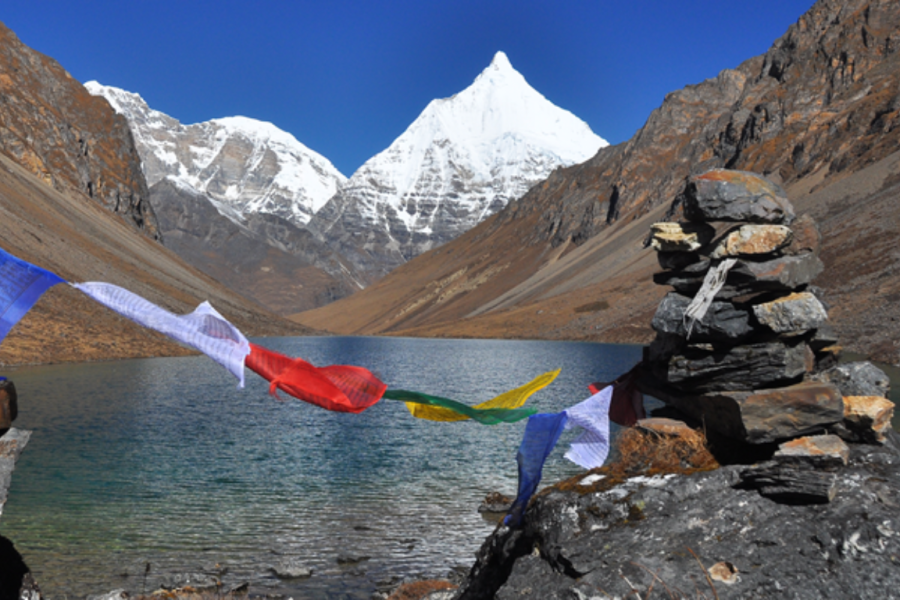
Spanning 19 kilometers in 5-6 hours, this leg includes a 480-meter ascent, reaching a campsite at 4,080 meters. Traversing the Paro Chhu valley, trekkers encounter alpine meadows and sparse forests, cross an army checkpoint, and relish views of high mountain ridges. The campsite at Jangothang boasts spectacular views of Mt. Jomolhari.
A rest day in Jangothang offers opportunities for day hikes with stunning views of lakes and snow-capped mountains. The idyllic environment aids acclimatization, and trekkers can explore the surrounding area, including the direction of Jomolhari and its subsidiary mountain chains.
Encompassing 18 kilometers and lasting 6-7 hours, this day involves an 840-meter ascent and an 870-meter descent, reaching a campsite at 4,010 meters. The trail climbs rapidly to the Nyilila pass at 4,870 meters, with glimpses of blue sheep and panoramic views of Mt. Jomolhari, Jichu Drake, and Tsherimgang.
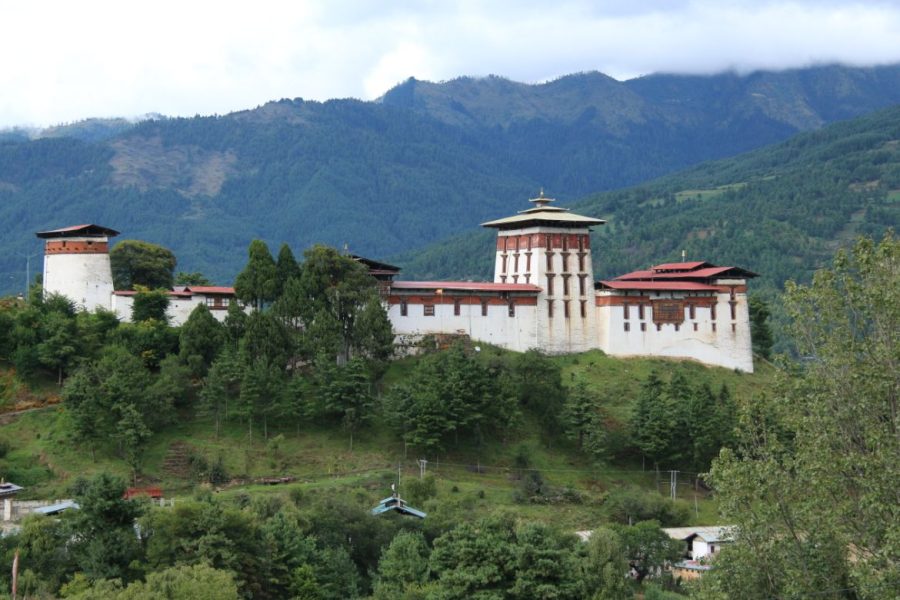
A relatively shorter day covering 10 kilometers in 5-6 hours, the trek includes a 280-meter ascent and a 410-meter descent, concluding at a campsite at 3,880 meters. Trekkers can choose to visit Lingshi Dzong, perched on a high ridge offering a unique atmosphere and panoramic views.
Spanning 17 kilometers over 6-7 hours, this day includes an 890-meter ascent and a 540-meter descent, with a campsite at 4,220 meters. The morning starts with a long ascent behind Chebisa Village, passing through pastureland towards Gobu La (pass) and providing opportunities to spot herds of blue sheep.
Covering 18 kilometers in 6-7 hours, this leg involves a 700-meter ascent and a 760-meter descent, reaching a campsite at 4,160 meters. The trail offers views of Kang Bum, edelweiss, and the first glimpse of Sinche La. The campsite at Tsheri Jathang in a wide and remote valley provides a picturesque setting.
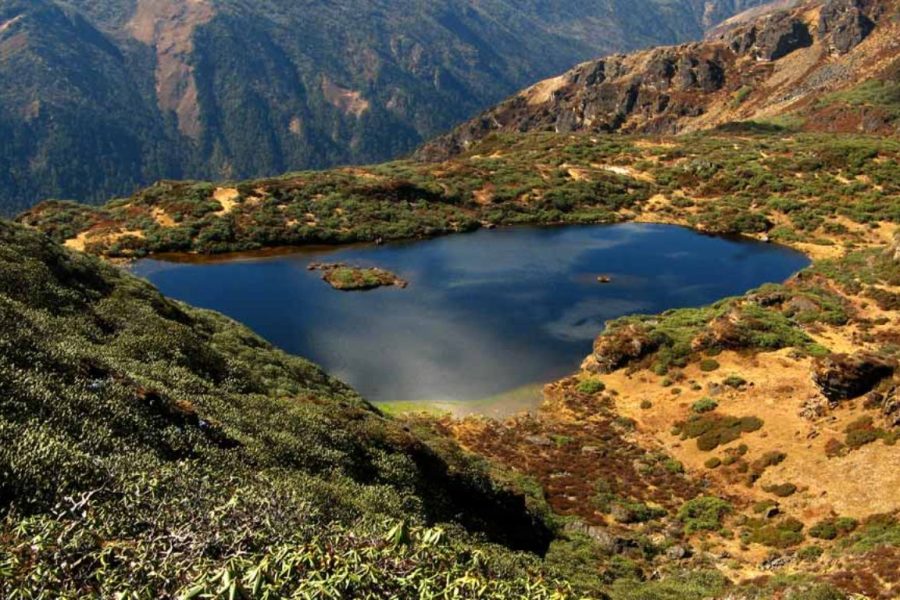
Encompassing 19 kilometers and taking 6-7 hours, this day involves an 850-meter ascent and an 870-meter descent, with a campsite at 4,140 meters. Starting with an initial ascent through a boulder field, the trek culminates at Sinche La, the highest pass, offering views of a terminal moraine and a glacial lake.
Covering 10 kilometres over 4-5 hours, this leg involves a 60-meter ascent and a 340-meter descent, reaching a campsite at 3,840 meters. The trail winds downhill through a narrow, forested river valley, leading to the west side of Laya village, providing breathtaking views of Mt. Gangchhenta and Mt. Masagang.
Spanning 19 kilometers in 6-7 hours, this day includes a 260-meter ascent and a significant 1,070-meter descent, with a campsite at 3,050 meters. The trail winds along the river valley of Mo Chhu, offering views of the raging river, feeder streams, and waterfalls, eventually leading to the campsite of Koina.
The final leg covers 14 kilometres over 6-7 hours, including a 740-meter ascent and a substantial 1,500-meter descent, concluding in Gasa village at 2,240 meters. Trekkers cross Bari La and descend to Gasa village, where restaurants await, and a decision must be made regarding a further descent to the Gasa Tsachu (hot springs), marking the end of the Laya Gasa Trek. Gasa village is notable for its unique Dzong, adding a cultural touch to the trek's conclusion.
Unseen Valley Tours and Travel, as a local tour operator in Bhutan, offers a cost-effective alternative to booking through foreign travel agents. Booking directly can save money, and local operators are essential for arranging tourist visas.
Solo travel is welcomed in Bhutan. Unseen Valley Tours and Travel ensures that you can travel independently, providing you with an individual guide and driver. Group travel is optional and not enforced.
The best times to travel are from March to May and September to November. During these periods, the weather is favourable, and numerous festivals take place. While travel is possible year-round, June to August is slightly humid due to the monsoon, and December to February is the cold winter season.
As of June 20, 2022, the Sustainable Development Fee (SDF or Royalty) is USD 100 per night per person. This fee is separate from the actual travel cost, which includes government-approved hotels, transportation, guide fees, and meals. The old Minimum Daily Tariff is no longer applicable.
Unseen Valley Tours and Travel can arrange your airline tickets with no commission fees involved. Alternatively, you can purchase tickets directly from the airlines' websites: Druk Air and Bhutan Airlines.
All visitors are advised to get travel insurance coverage from their own countries.